

Using the SYBO Stainless Steel Percolator Coffee Urn to Serve 100+ Parishioners Without Constant Refills


Executive Summary
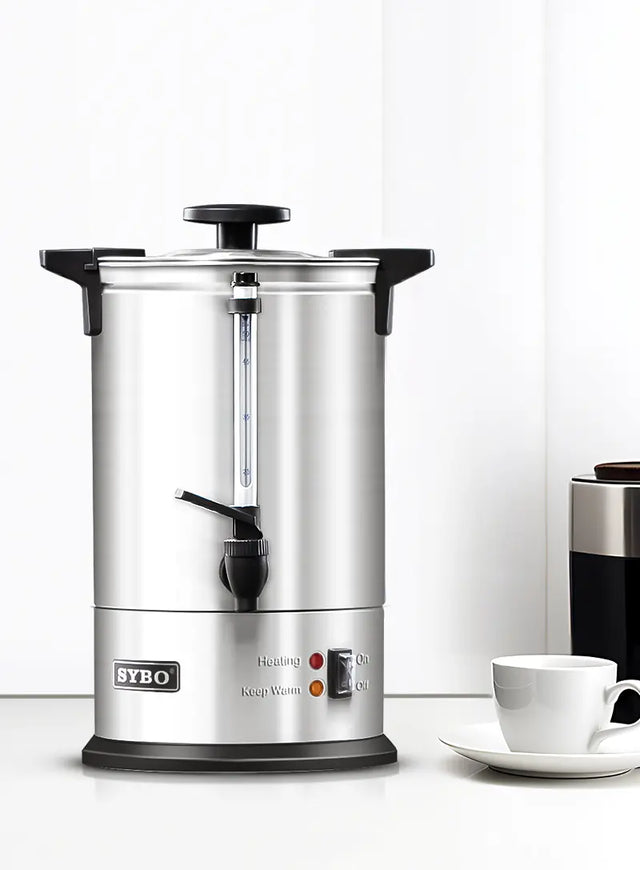
When you need to serve coffee to a crowd of 100 or more—whether it’s after Sunday service, a church breakfast, or a special event—the logistics can quickly overwhelm volunteers. Long lines, back-to-back brewing, and empty pots are common headaches. The SYBO Stainless Steel Percolator Coffee Urn is a commercial-grade solution, designed for church gatherings where hospitality needs to run smoothly and volunteers shouldn’t have to stress about constant refills. Available in 16-liter (100-cup) and 18-liter (120-cup) sizes, this urn focuses on capacity, dependability, and safety. This guide takes a detailed look at its features, discusses what works and what doesn’t in practice, and shares strategies for a hassle-free church coffee service based on real-world experience.
Introduction
Picture it: Sunday has just wrapped up, and parishioners pour into the fellowship hall. Friends catch up, newcomers introduce themselves, and everyone drifts toward the coffee table. Too often, volunteers are forced into a frantic cycle—brewing batch after batch, topping off machines, and dealing with frustrated folks holding empty cups.
The right gear can make all the difference. The SYBO Commercial-Grade Stainless Steel Percolator Coffee Urn is more than just a large coffee pot. It tackles the busy, social setting where coffee helps build community. But does it deliver? Can one unit really keep a crowd of over 100 happy, or will it just cause new headaches?
We’ll dig in, going beyond the product description to talk about what church coffee service really looks like, what volunteers have faced, and how to get the most out of this tool so fellowship time stays relaxed.
Actionable Tips
Before the Event: Setting Up for Success
1. Choose the Right Model
- Match the size of the urn to your usual gatherings. The 16L (100-cup) version works well for regular fellowship. Pick the 18L (120-cup) for major celebrations or holiday events. Teams serving smaller crowds might prefer the 8L (50-cup) model.
2. Grinding for Gold
- Stick to coarse or percolator grind. If you use coffee ground too fine, it will slip through the metal basket and leave the coffee cloudy or gritty. It helps to pre-portion and label coffee for volunteers, clearly marked for urn or percolator use.
3. Water Temperature Matters
- Use water at room temperature. Filling with cold water from the fridge or well will just slow down brewing. Always check and mark water levels on the built-in gauge to prevent overflows or short, weak pots.
4. Power Prep
- Plug the urn into its own grounded outlet—don’t share with devices like toasters or food warmers to reduce the risk of blowing a fuse during brewing.
- If you’re not sure about the kitchen outlets, test the urn with a small batch before using it for a packed event.
5. Timing the Brew
- Start brewing about 45–50 minutes before folks are due. This gives the urn enough time to finish, shift to warming mode, and be ready to serve as soon as people arrive.
During Service: Smooth Dispensing
- Assign One or Two Volunteers: The beauty of using an urn is that a small team can handle lots of guests.
- Use the Continuous-Flow Faucet: Use the lock-open setting for quick carafe or airpot refills so hands don’t get tired.
- Monitor Volume Visually: Keep your eye on the gauge to avoid surprise shortages.
After Service: Clean and Maintain
1. Cool Down First
- Unplug the urn and let it cool before carrying or cleaning it.
2. Rinse and Remove Grounds
- Empty out the used grounds and thoroughly rinse the metal basket.
3. Gentle Cleaning
- Wash the inside with warm, soapy water. Wipe it dry with a soft cloth. For tough buildup or hard water, run a vinegar-and-water cycle every few weeks to prevent minerals from forming inside.
4. Store Safely
- Make sure it’s dry, then leave the lid off so it can air out. This helps prevent musty smells and keeps rubber seals in good shape.
Pro Tips for Consistently Great Service
- Standardize Prep Instructions: Keep a printed step-by-step guide next to the urn for volunteers, especially if teams rotate.
- Batch Ahead for Large Events: When expecting a big crowd, you can run two urns and stagger start times by about 20 minutes, so you never run out.
- Safety at the Forefront: Watch children around the urn, and always check the lid is locked down before moving it.
- Work as a Team: With less time spent refilling, volunteers can connect more with guests and tidy up, making the team’s work go further.
Special Considerations (and Limitations)
- Electrical Dependence: These urns need steady indoor power, so they aren’t right for church picnics or remote venues without reliable outlets.
- No "Instant On": Since brewing takes about 40 minutes, you won’t always have coffee on hand if you start late or need a quick second batch (the urn must cool down before you can refill and restart).
- Not a Specialty Coffee Brewer: This urn is made for high-volume church coffee, not café-style drinks. It’s a practical tool, and while you’ll get good flavor if you use fresh beans and prep well, it’s not designed for specialty roasts.
Conclusion
For churches looking to serve a hundred or more people without constant headaches, the SYBO Stainless Steel Percolator Coffee Urn is a solid, reliable addition to the kitchen. Its sturdy build, safety features, and ability to handle big batches make it much easier for volunteers to keep coffee flowing and the mood relaxed, even on busy Sunday mornings. When you understand how it works, set it up right, and follow best practices, even a small team can serve hot, fresh coffee to your whole congregation. The true payoff is a more welcoming fellowship, and fewer frantic volunteers scrambling for another pot.