

Avoid These Setup Mistakes With SYBO Coffee Urns At Your Next Event


Executive Summary
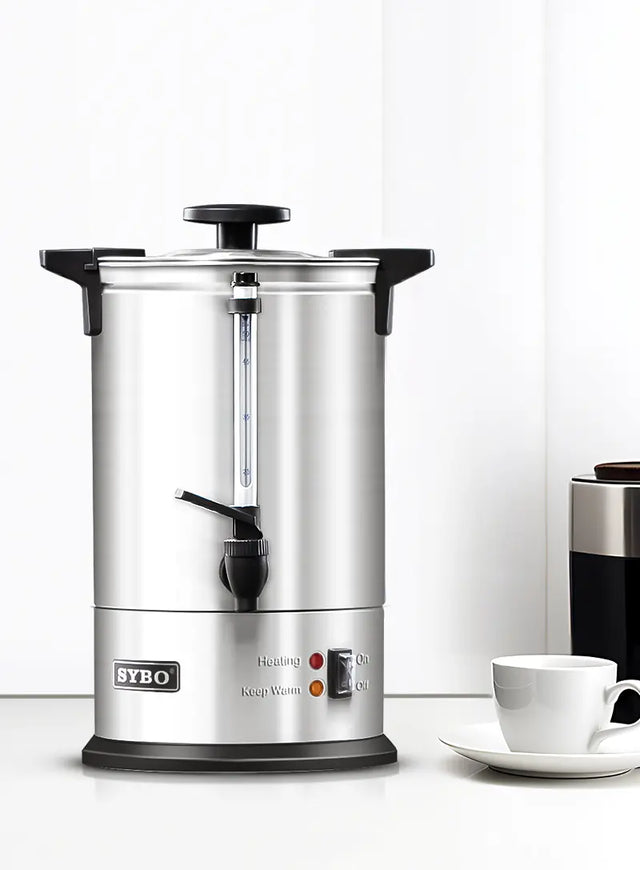
SYBO coffee urns are a top pick for event planners, caterers, and facilities managers who need a dependable way to serve a lot of coffee at once. Available in multiple sizes and built for heavy use, SYBO’s stainless steel percolator urns are known for brewing quickly, lasting a long time, and running efficiently. Still, even reliable gear can let you down if you skip important setup steps—resulting in bad coffee, electrical problems, or equipment malfunctions at the worst possible moment.
This guide pulls together expert advice and on-the-ground experience to help you get the most out of SYBO coffee urns at your event. If you know what kinds of mistakes trip people up—like overloading power circuits, neglecting water quality, using the wrong grind, or getting the brew order wrong—you’ll be able to keep your coffee service running smoothly, safely, and tasty every time. We’ll walk you through preventable missteps, offer step-by-step troubleshooting, share real scenarios, and break down why SYBO urns can be a solid investment long-term. Steering clear of these common errors means your coffee—and your event—keep going without a hitch.
Introduction
Imagine this: You’re just fifteen minutes away from opening registration at your conference. Vendors are setting up, guests are starting to arrive, and everyone is searching for that first cup of coffee. Then suddenly, the coffee station goes out—no power, no smell of coffee, and irritated guests gathering in disappointment. For event organizers, nothing ruins the flow—or the mood—like a coffee station that stops working.
SYBO coffee urns have earned a reputation for their tough build, fast brewing, and big capacity (they make anywhere from 50 to 120 cups), so they’re the top pick for people who don’t want to risk slow or unreliable coffee service. But those same qualities also mean they need careful setup—you have to pay attention to commercial-grade requirements. Even a small mistake can wreck your event, damage your equipment, or leave a bad impression.
What follows is a behind-the-scenes guide to getting SYBO urns up and running without issues, covering both how they work and what makes for a smooth coffee experience. Whether you’re a seasoned event planner or handling your first big group, you’ll find tips and practical advice to help you avoid the classic mistakes. Here’s what you need to know so your coffee service runs like clockwork.
Actionable Tips
Here’s a closer look at the SYBO setup mistakes people make most often, why they happen, and straightforward ways to avoid or fix them—with advice pulled from user experience, manuals, and field reports.
1. Overloading Electrical Circuits
The Mistake
Plugging your urn into an electrical outlet or extension cord that’s already powering other high-wattage gear (like warming trays, sound systems, or portable heaters).
The Consequence
SYBO urns, like other commercial percolators, draw a lot of power. Most venues use 15- or 20-amp circuits. If you add more appliances to the same line, there’s a high chance you’ll trip the breaker—usually right in the middle of brewing and just as everyone wants coffee, leaving you and your team scrambling.
The Fix: Pro Protocol
- Dedicated Circuit: Make sure your SYBO urn gets its own grounded outlet on a separate circuit.
- Use Proper Extension Cords: Only use an extension cord if you have to, and pick a heavy-duty, commercial-grade cord (12-gauge or thicker). Don’t grab flimsy household cords.
- Check for Dry Switches: Before you plug in, double-check that the urn’s waterproof switch and power port are dry and clear of spills, so you lower the risk of a GFCI trip or worse.
Event Pro’s Anecdote: A catering manager recalls, “At one wedding, plugging the urn and the band’s sound system into the same outlet knocked out both—and the crowd left for coffee elsewhere. Lesson learned.”
2. Ignoring Water Quality and Mineral Scaling
The Mistake
Pouring in hard, unfiltered tap water (especially in areas with lots of minerals) and forgetting to check or descale the urn.
The Consequence
Hard water does more than flatten the flavor (see Olechno et al., 2021); it’s trouble for SYBO’s fast-heating design. Minerals like calcium and magnesium collect inside, coating the basin and sensors with scale. This blocks heat transfer and confuses the machine’s sensors, leading to problems like:
- The urn never switching to “Keep Warm”: It overheats, then the safety fuse blows, which puts the urn out of service for the rest of the day.
- Burnt-tasting coffee: Scorched oils or residue stick to the scale and throw off the taste.
The Fix: Pro Protocol
- Always Use Filtered or Bottled Water.
- Inspect the Basin Every Time: Look for chalky white buildup before brewing.
- Descale Regularly: Add a vinegar and water mix (1:1) or a food-safe descaler to the urn, run a short cycle, let it sit for about an hour, gently scrub (don’t use anything abrasive), and rinse well.
Tech Deep Dive: If the thermal fuse blows because of scale, you can’t fix it at the event. The urn will need service or a replacement—a nightmare in the middle of a big rush.
3. Using the Wrong Coffee Grind in a Steel Mesh Basket
The Mistake
Filling the SYBO mesh basket with finely ground coffee (like standard drip or espresso grind).
The Consequence
Steel mesh filters have larger holes than paper ones. If you use a fine grind, grounds slip through, creating a gritty sludge at the bottom (and sometimes blocking the percolator tube). Result:
- The last cup will taste bad and be full of grounds.
- Brewing slows down or stops altogether, causing the urn to work too hard (and risk overheating).
The Fix: Pro Protocol
- Use a Coarse Grind: Go for something like a French press grind—chunkier, less likely to slip through the mesh, and brews with better clarity.
- Wet the Basket First: Give the mesh a quick rinse before adding coffee to help catch loose particles and prevent them from falling through early in the process.
- Skip Pre-ground Drip Coffee: Either grind whole beans yourself for a French press or ask your supplier for a coarse grind meant for urns.
Example: At a charity breakfast, a team tried to cut costs by using leftover drip-ground coffee and ended up with undrinkable, muddy batches. Guests left their cups until the team switched to coarse grind, and coffee service returned to normal.
4. Incorrect Brew Sequence and Batch Sizing
The Mistake
Turning the urn on before adding water, or filling below the minimum line marked by the manufacturer.
The Consequence
As soon as you flip the switch, the heating element gets hot. If there’s not enough water to absorb that heat, the metal basin can crack from thermal shock, or sensors might trip. Worst case, the thermal fuse blows for good and the urn is ruined.
The Fix: Pro Protocol
-
Follow These Steps, In Order:
- Pour in filtered water
- Add coarse coffee grounds
- Secure the lid
- Plug in the urn
- Turn it on
- Mind the Water Level: Check both the inside and outside gauges to make sure you’re within the minimum and maximum marks.
- Don’t Open Mid-Brew: Once brewing starts (it takes 30–40 minutes), keep the lid on and don’t disturb the process. Letting out steam drops the temperature and can cause the urn to spit hot water or under-extract the coffee.
5. Troubleshooting Common Event-Day Failures
Even with the right preparation, unexpected problems can come up. Here’s a quick-reference table for the top three SYBO urn issues:
| Symptom | Probable Cause | Immediate Action |
|---|---|---|
| Urn is totally dead; switch light off. | Tripped venue breaker or blown internal thermal fuse | Check/reset venue breaker; test outlet with another small device. If still dead, retire urn and contact SYBO service—fuse likely blown. |
| Water is hot but urn not percolating. | Percolator tube mis-seated or blocked by sediment | Cool, unplug, open lid, reseat/clean percolator tube. |
| Coffee tastes burnt or overly bitter. | Failed switch to “Keep Warm;” burnt-on residues | Check for scale/buildup; don’t run urn nearly dry; deep-clean the basin after serving. |
Safety Note: Never open up or attempt to repair the electrical parts at the event. If needed, SYBO support can walk you through warranty claims or replacement.
Conclusion
Great coffee service at events doesn’t just depend on good beans or nice machines. Careful setup and maintenance make all the difference. With SYBO’s commercial urns, success comes from understanding things like venue power limits, the urn’s needs, and how water and coffee behave together.
To sum up:
- Don’t mess around with power—dedicate a circuit.
- Water quality is just as important as the coffee itself; get in the habit of regular descaling.
- Use coarse grind only with the steel mesh basket.
- Follow the instructions for batch size and sequence—don’t cut corners.
- If problems pop up, go through a proper checklist and get SYBO’s help if needed.
Make these habits part of your routine, and you’ll serve better coffee and earn trust, batch after batch and event after event. Experienced organizers know: Coffee isn’t just another drink at an event. It’s what keeps everyone moving—and when it runs right, SYBO urns help you keep the energy up all day.