

Using the SYBO Stainless Steel Percolator Coffee Urn to Serve Coffee Safely to All Ages


Executive Summary
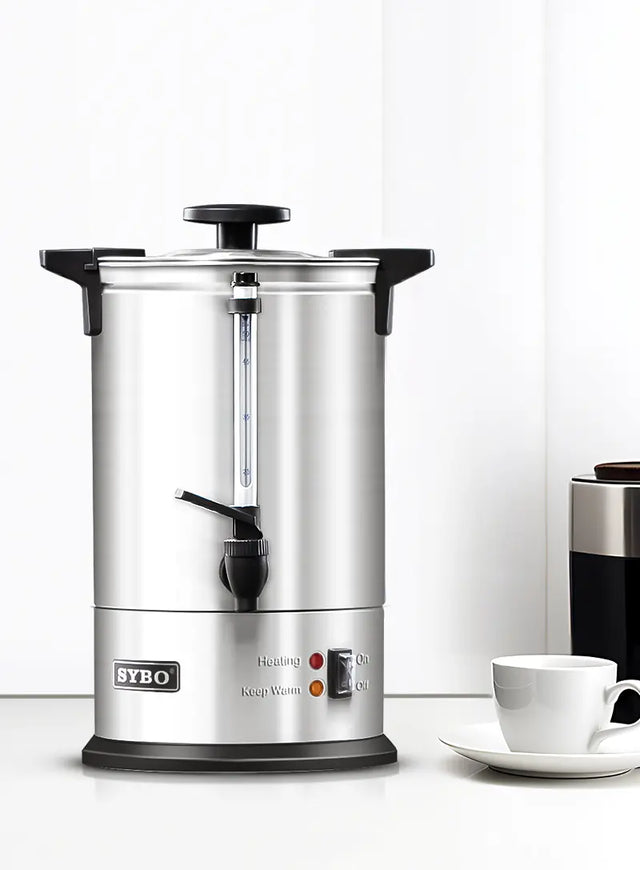
The SYBO Stainless Steel Percolator Coffee Urn is designed for heavy use in busy settings like events, offices, and catering jobs. Built from food-grade 304 stainless steel, this urn includes a metal filter system (no paper waste) and multiple safety features such as lockable lids, cool-touch handles, and a spigot that can be used in two ways. It’s NSF, ETL, and CE certified. Still, serving hot coffee to a broad range of ages comes with safety concerns, from burn risks with kids to difficulties older adults may have handling hot liquids.
This detailed guide brings together technical details, safety tips, and lessons from real-world use so anyone using the SYBO urn—whether event managers, facilities staff, or hosts—can serve coffee safely for everyone.
Introduction
Picture the smell of fresh coffee drifting through a crowded hall as people gather around the drinks table. There are young kids tagging along with parents, teenagers bustling around, and older guests looking for something warm. In these gatherings, coffee isn’t just a drink—it’s part of the experience, bringing people together. But keeping these moments safe isn’t simple, especially when commercial equipment like the SYBO Stainless Steel Percolator Coffee Urn is involved.
The SYBO urn holds a lot and brews quickly, making it a staple when serving big groups. But because it keeps liquids near boiling and is built for commercial use, one wrong move—a toddler reaching up, someone leaving the spigot unlocked, or a volunteer in too much of a hurry—can quickly lead to accidents. In this article, you'll find an overview of the SYBO urn’s safety features, practical ways to make coffee service safer based on guests’ needs, and tips for keeping events incident-free.
Actionable Tips
Even the safest equipment needs good routines and people paying attention. Here are clear steps for making coffee service safe for everyone.
1. Pediatric Safety (Infants & Toddlers)
Risk Profile:
Toddlers reach, pull, and grab everything in sight. A hot urn can burn in a moment if it’s knocked or pulled off a table.
Preventive Protocols:
- Placement: Set the urn back from the edge of a strong, heatproof counter, well out of reach.
- Cord Control: Keep power cords tucked away. If extensions are needed, use covers or tape them flat to the floor.
- Restricted Access: Block off beverage zones with gates or assign adults to watch, so kids can’t wander near.
- Beverage Policy: Never serve any form of coffee to infants, and keep urns far from formula or feeding areas. Label everything clearly.
2. School-age and Adolescents (6–18)
Risk Profile:
Kids and teens often want to serve themselves without realizing how quickly hot coffee flows or how easy it is to spill.
Mitigation Steps:
- Supervision: Children should never use the urn without an adult around. Assign a staff member or volunteer to oversee refills and handle the spigot.
- Spigot Use: Teach staff and older kids to stick with the spigot’s push-down mode for single cups. Leave flow-lock mode for staff filling larger containers.
- Signage: Put up clear signs (“Hot—Adult Assistance Required”) and set up barriers if needed to keep lines organized.
3. Older Adults and Accessibility
Risk Profile:
Seniors or anyone who has difficulty gripping or carrying things may spill or drop hot cups, increasing the risk of burns.
Best Practices:
- Airpot or Carafe Service: Have staff fill airpots or carafes and bring them to tables, so elderly guests don’t need to walk with open cups or stand in line.
- Station Setup: Make room for wheelchairs and walkers at the coffee station, and set non-slip mats under the urn so it doesn’t slide.
- Cup Size Recommendations: Offer lightweight, small cups and suggest filling them only halfway for easier handling.
4. General Event Protocols and Incident Readiness
- Burn Response: Keep basic burn care supplies on hand. Make sure staff know where to find emergency resources.
- Hot Labeling: Attach bright “HOT” labels on both the urn and the service station.
- Routine Checks: Have someone inspect the area every hour for leaks, spills, or blockages near the urn.
5. Brewing, Holding, and Dispensing Protocols
- Batch Planning: Brew as close to serving time as possible. For events with vulnerable groups, make smaller batches more often instead of holding coffee hot for hours, which can make burns and even spoiled coffee more of a concern.
- Spigot Hygiene: Place a towel or drip tray beneath the spigot, and regularly check to make sure fittings aren’t leaking or loosening.
6. Cleaning, Descaling, and Maintenance
Skipping regular cleaning puts both safety and the urn itself at risk. Here’s a straightforward cleaning and maintenance routine:
After Each Use:
- Unplug and Cool: Always turn off and let the urn cool fully before cleaning.
- Removable Component Cleaning: Take off the lid, filter basket, and stem; wash them by hand in warm, soapy water (not in a dishwasher), then rinse completely.
- Tank Wipe: Wipe inside the urn with a cloth and mild detergent. Never submerge the urn or pour water on the electric parts.
- Spigot Care: Unscrew and brush-clean the spigot channels as needed.
- Water Gauge (Sight Glass) Cleaning: Take off the sight glass cap and clean out any buildup with a pipe cleaning brush. Don’t disassemble the unit beyond this—removing the whole gauge will break the seals and cause leaks.
Descaling (Every 2–4 Weeks or as water requires):
- Fill the urn with commercial descaler or equal parts water and white vinegar.
- Run a full brewing cycle with empty basket and stem.
- Let it sit for 15 minutes after turning off, then drain completely.
- Rinse by running clean water through at least once, repeating until no vinegar or cleaner smell remains.
Critical Don’ts:
- No Baking Soda: It will damage steel parts, leading to pitting over time.
- No Submersion: Soaking the main body risks electric shock or ruining the electronics.
- No Moving Full or Hot: Let it cool and empty before relocating—the urn is heavy when full, and spills are far more likely.
Troubleshooting Quick Reference:
| Symptom | Probable Cause | Solution |
|---|---|---|
| Unit not heating, lights on | Boil-dry protection switch triggered (less than 3 cups in urn) | Cool, unplug, press RESET on base, refill, restart |
| Leaking at spigot | Loose or mis-threaded faucet assembly | Tighten compression nut, check fittings |
| Coffee basket overflowing | Too fine grind, soft water | Switch to medium/coarse grind, flush basket |
| Stains or discoloration | Scale buildup, wrong cleaner used | Use stainless-safe scouring products, avoid baking soda |
Conclusion
When used carefully and with proper routines, the SYBO Stainless Steel Percolator Coffee Urn is one of the best options for serving coffee to big groups safely and sustainably. Its sturdy build and smart design help prevent accidents, but the real key to safety—especially when serving different age groups—is a thoughtful setup, clear supervision, and diligent maintenance.
Safe coffee service is about much more than just equipment. It depends on careful planning and the people serving. For managers, hosts, and volunteers, each cup poured is a moment to connect with guests—while making sure everyone stays safe.